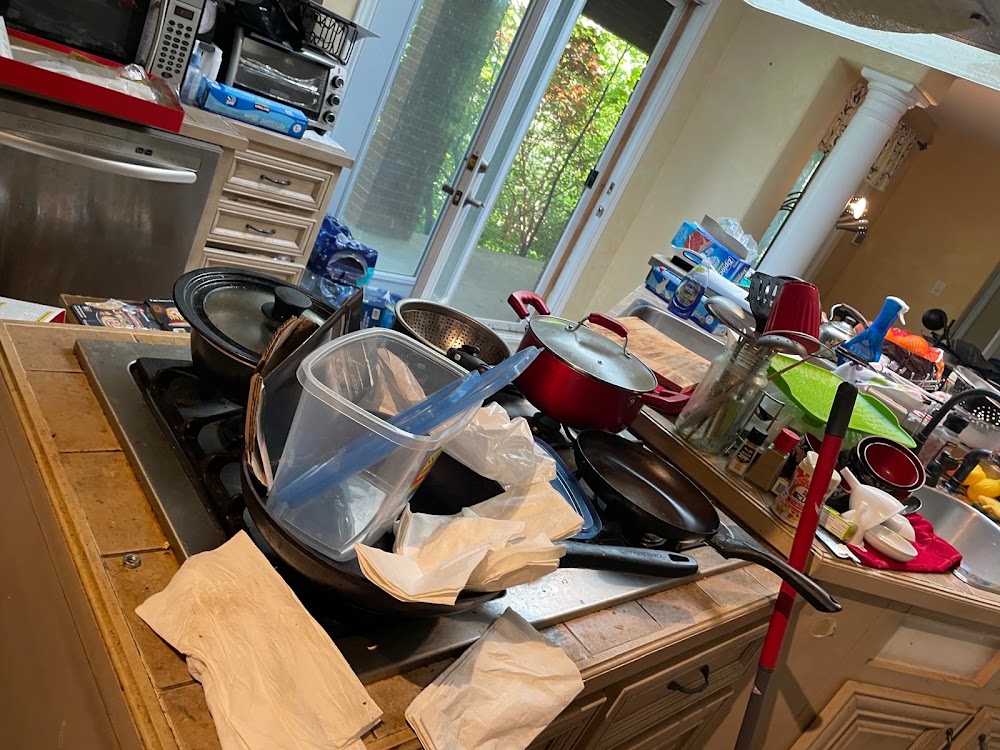
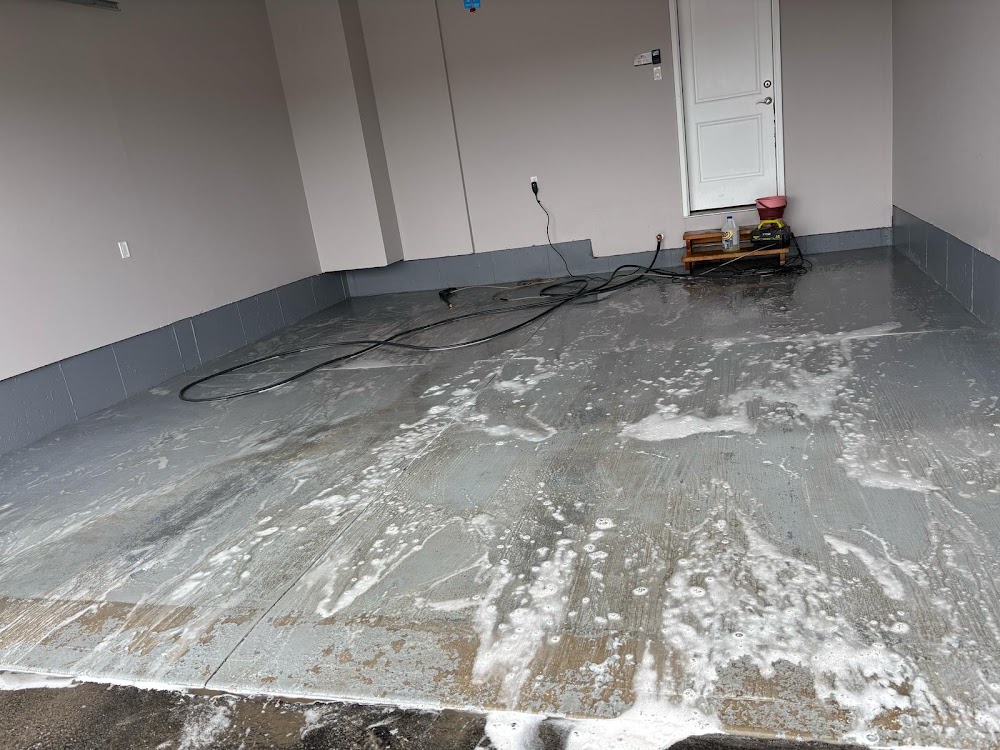
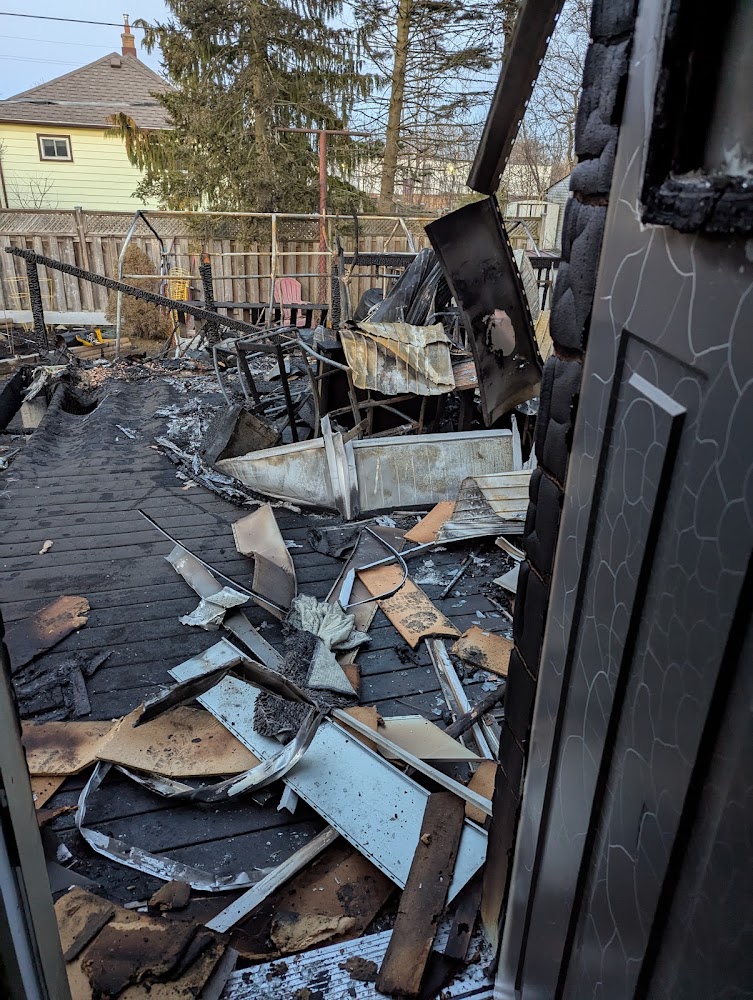
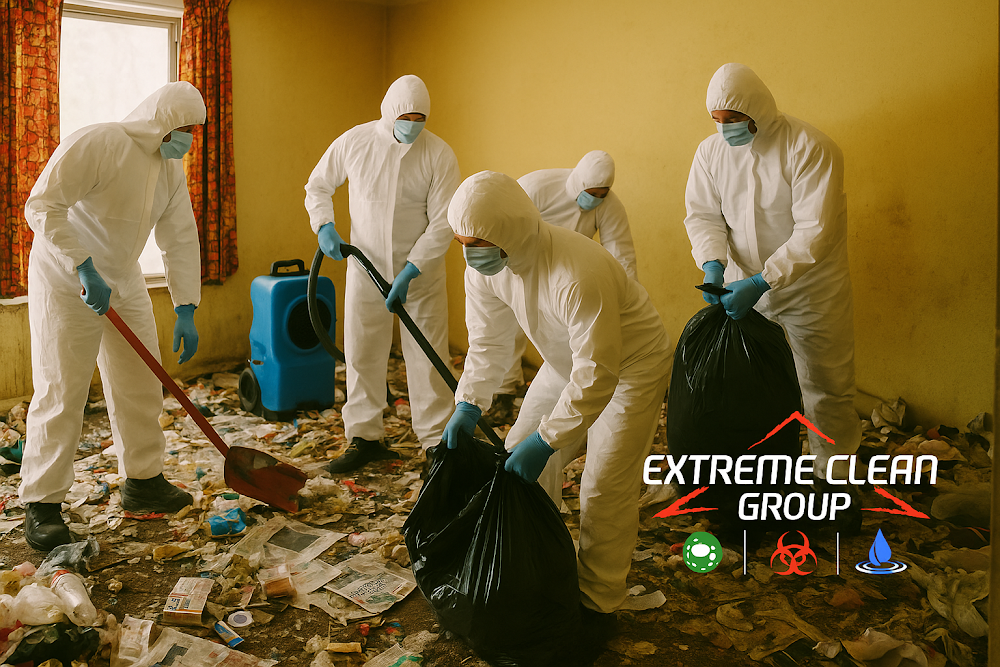
Deep sanitizing and disinfection is usually the stage that comes after the bulk removal of a hoard: once furniture, rubbish, and clutter are cleared out, what's left behind is often biohazard-level grime. Think mould on walls and skirting boards, pest droppings and nesting material, urine or faecal contamination from pets, and years of dust and organic matter ground into flooring and soft surfaces. This is where a general clearance crew stops and a proper sanitizing team starts. We list 9 companies in London that offer this specific service.
What the work actually involves
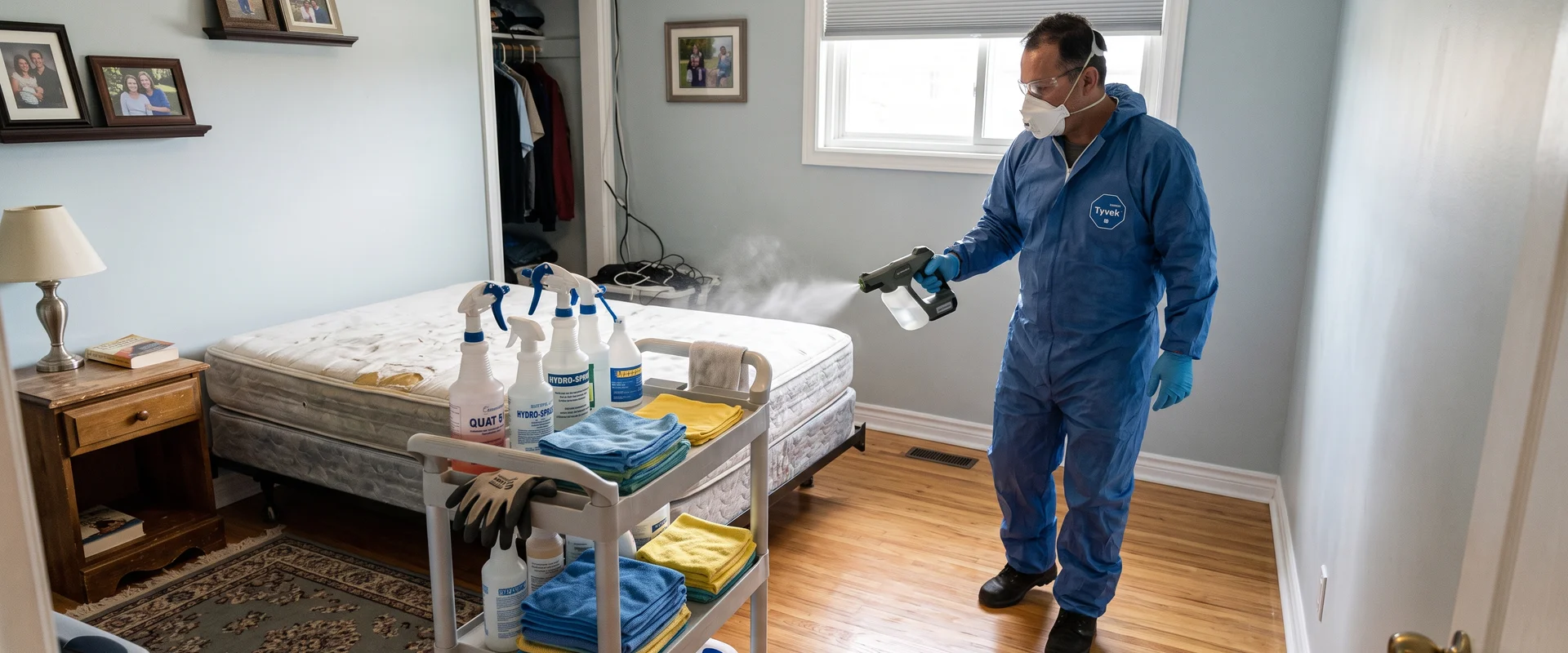
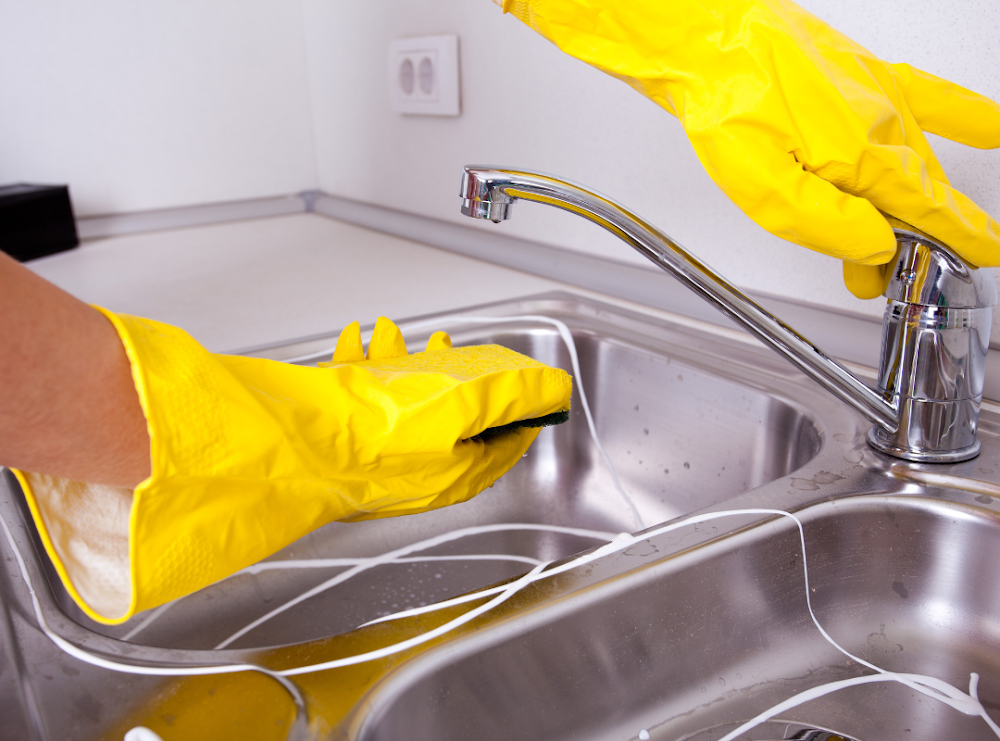
A competent job includes disinfecting hard surfaces with hospital-grade or industrial biocides, treating fabric and carpet where it can't be salvaged, deodorising to deal with trapped odours rather than masking them, and in more severe cases, ozone treatment or fogging to reach areas physical wiping can't. Some jobs also need pest treatment coordination and minor remediation, such as removing contaminated flooring or plasterboard.
What to look for before you book
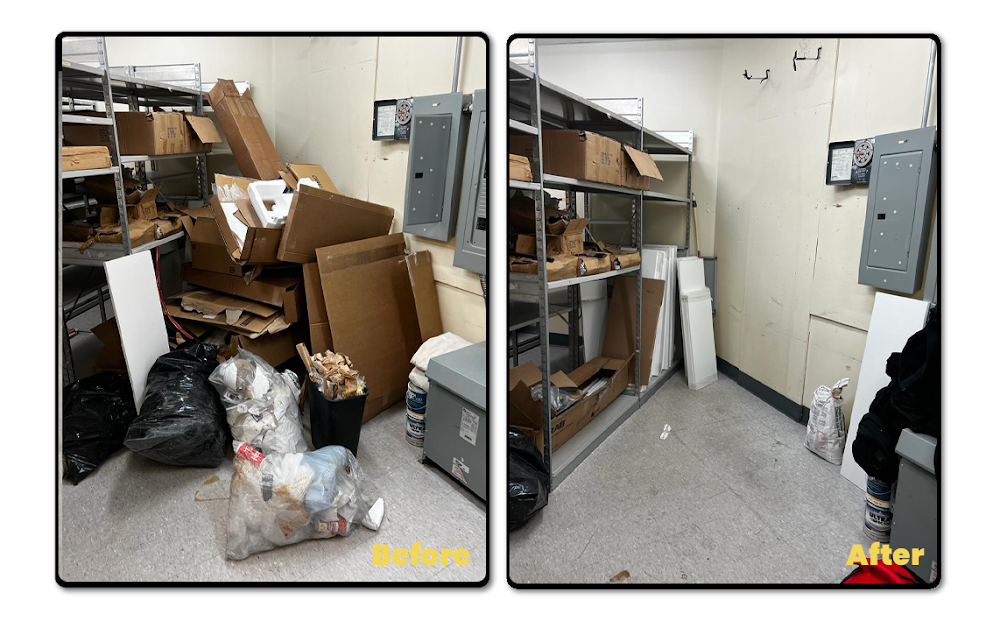
Ask whether technicians are trained for biohazard and hoarding-specific conditions (not just standard end-of-tenancy cleaning), what products and methods they use, whether they carry appropriate insurance, and whether they'll give a written scope before starting. Photos of previous jobs and a clear explanation of disposal methods for contaminated waste are good signs.
How our scoring helps
Our rankings weigh verified experience with hoarding-specific sanitizing, equipment and methods used, responsiveness, and how clearly companies communicate scope and pricing. See the full ranked guide to London hoarding cleanup companies for how these 9 compare, and read our methodology for how we score and verify every listing.