Is it safe to clean a hoarded home yourself? Risks to know before you start
By Amara Whitfield · Updated 2026-07-23
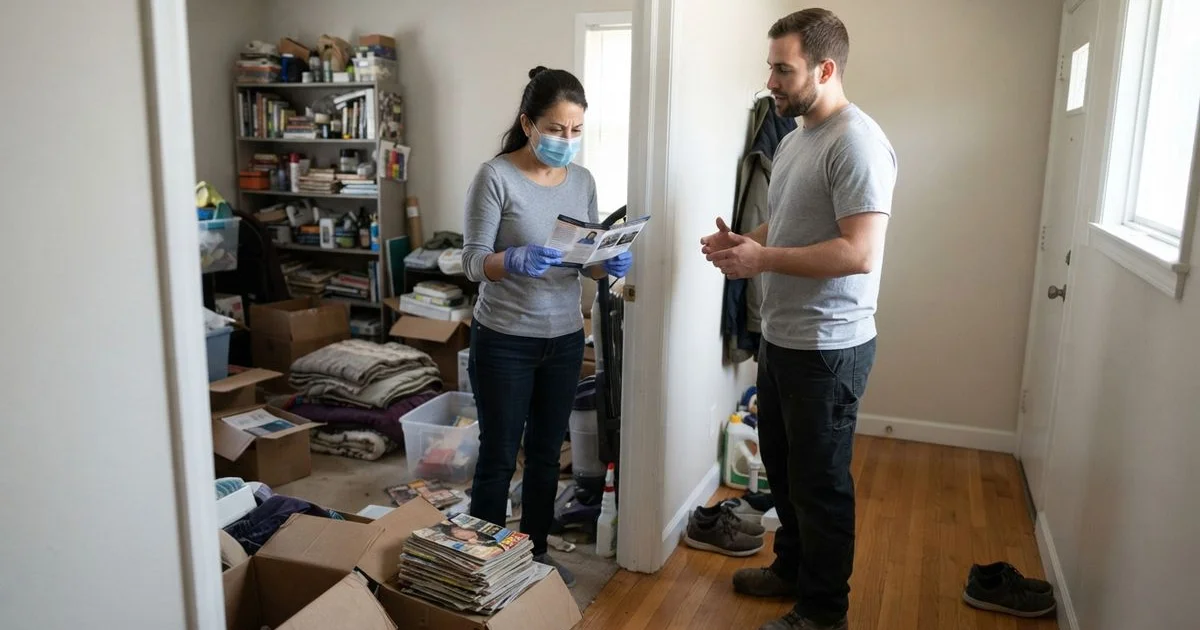
Doing a hoarding cleanup yourself can feel like the more affordable, more private option, and sometimes it genuinely is manageable. But past a certain point, the risks involved are real enough that pushing through alone is not always the safer or cheaper choice it appears to be.
This is general safety information, not a substitute for a professional risk assessment of your specific situation.
The physical risks people underestimate
Hoarded spaces hide hazards that are not obvious until you are already working through them. Unstable stacks of items can shift or collapse. Sharp objects, broken glass, or unstable furniture can be buried under piles that look harmless from the surface. In more severe cases, flooring weakened by years of concentrated weight can pose a genuine structural risk that is easy to miss without knowing what to look for.
Lifting injuries are common too, especially when clearing dense, heavy piles without the equipment or technique a trained crew would use. Basic precautions help: proper footwear, gloves, clearing a safe path before moving anything heavy, and never working entirely alone if the volume of items is significant, since having someone else present matters if something goes wrong.
Health risks that need real protective gear
If a space involves mould, pest droppings, or any bodily fluids, cleaning it without proper protective equipment is a genuine health risk, not just an unpleasant task. Households rarely have the respirators, sealed containment materials, or specialized disposal access that these conditions actually require. Exposure can affect respiratory health and, in severe cases, carries other health risks that are worth taking seriously rather than working around. The health and safety risks of hoarding guide covers these hazards in more depth, including the ones that build up gradually rather than all at once.
| Condition present | DIY risk level | What it generally requires |
|---|---|---|
| Light clutter, no odour or pests | Lower risk | Basic gloves, sturdy footwear, caution with lifting |
| Odour, dust, or minor pest signs | Moderate risk | Mask, gloves, good ventilation |
| Mould, significant pests, or bodily fluids | High risk | Professional-grade PPE and disposal, best left to trained crews |
The emotional weight is a real factor too
Beyond the physical risks, deciding what to keep or discard, especially in a family member’s home, is emotionally demanding. It is common to underestimate how draining this becomes over hours or days, and fatigue tends to lead to rushed decisions people regret later, or to the process stalling out entirely partway through.
It is worth setting a realistic pace from the start rather than trying to push through in one long stretch. Short, frequent breaks, and stopping for the day once decision fatigue sets in, tends to produce better outcomes than treating the whole job as a single marathon session.
A reasonable way to decide
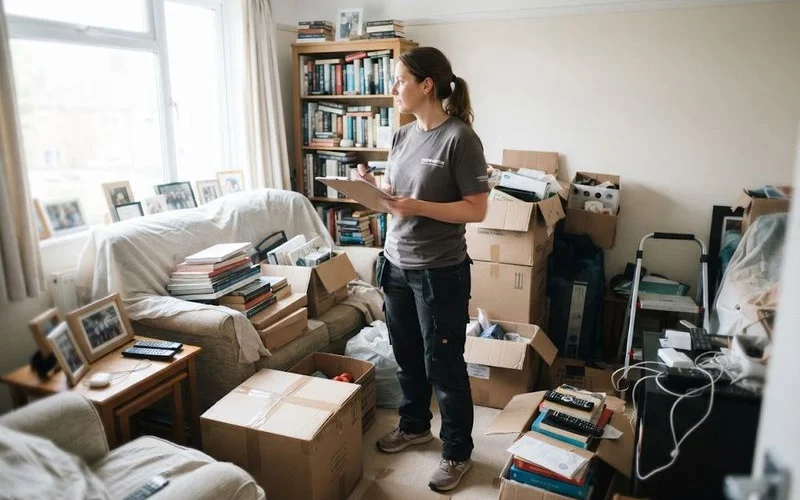
If the job involves light clutter with no odour, pests, or structural concerns, and you have the time and physical capacity, doing it yourself can be a reasonable option. If you encounter any biohazard material, structural warning signs, or find the emotional weight becoming unmanageable, those are all legitimate reasons to stop and bring in professional help rather than a sign that you have failed at something you should have been able to do alone.
Providers experienced in this work can also take on just the harder portions, biohazard areas or heavy lifting, while you handle the sorting decisions yourself, which is worth asking about if a full professional cleanout feels like more than you need.
It also helps to check in with someone outside the situation partway through, a friend, family member, or professional, who can give you an honest read on whether the scope still looks manageable. It is easy to lose perspective on how much a job actually involves once you are in the middle of it.
If you decide to bring in help
Browse the full directory to compare providers experienced with hoarding situations, and see our methodology page for how they are rated on safety practices and communication. Choosing to call in help partway through is not a failure. It is often the more realistic and safer choice once the actual scope of a job becomes clear.
FAQ
- What is the biggest physical risk of DIY hoarding cleanup?
- Injury from lifting, unstable piles, or hidden hazards under clutter is the most common physical risk. Sharp objects, unstable furniture stacks and weakened flooring are easy to miss until something gives way.
- Can cleaning a hoarded home yourself be a health risk?
- Yes, particularly if mould, pest droppings, or bodily fluids are present. These require proper protective equipment and disposal methods that most households do not have on hand.
- Is it emotionally difficult to clean a family member's hoarded home?
- Often, yes. Making decisions about someone else's belongings, especially without them present, can be emotionally taxing and can also create conflict if the person did not agree to the cleanup.
- How do I know when to stop and call a professional?
- If you encounter biohazard material, structural concerns, an overwhelming volume of items, or find the process emotionally unmanageable, those are all reasonable points to bring in professional help rather than push through alone.