Free and low-cost hoarding cleanup help in Ontario: programs and where to start
By Amara Whitfield · Updated 2026-07-13
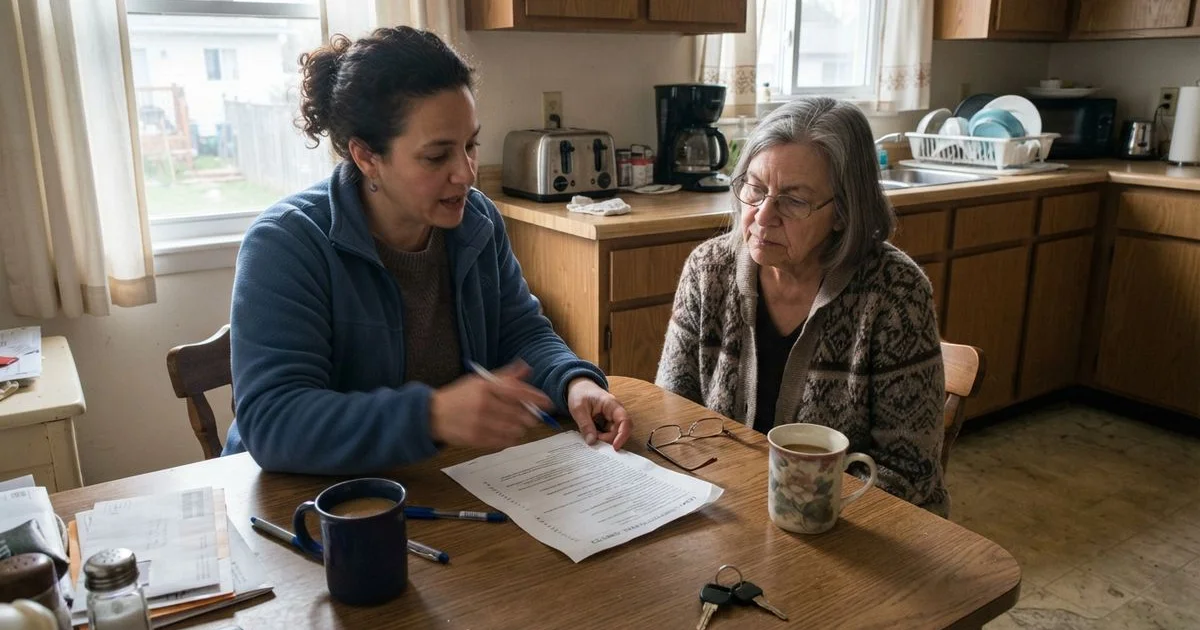
Cost is one of the biggest barriers standing between families and the help they need, and it is a fair concern. Full free cleanup is not common, but there is more support available than most people realize once you know where to look.
Where to start
211 Ontario is a free, confidential service that connects people to local community and social services across the province, and it is a reasonable first call if you are not sure where to begin. They can point you toward local programs that may apply to your specific situation, whether that is related to age, income, disability, or a health and safety concern tied to the property. If age is the main factor, hoarding cleanup for seniors in Ontario covers the support options and pacing considerations specific to older homeowners.
Municipal services are another avenue worth checking. Some municipalities have programs connected to property standards enforcement that can include cleanup support, particularly when a hazard needs to be addressed and a homeowner cannot afford it alone. These programs vary significantly by municipality, so a call to your local municipal office is the most reliable way to find out what applies where you live.
Public health units are worth a call too, particularly if the situation involves pests, mould, or a sanitation concern that overlaps with public health mandates. They may not fund a cleanup directly, but they can sometimes connect you with resources or, in serious cases, get involved in a way that speeds up access to support.
Community and non-profit organizations
Local non-profits, community health centres, and organizations focused on seniors or mental health sometimes offer connections to reduced-cost cleanup support, even if they do not perform the work directly. Some work in partnership with cleanup providers to offer discounted rates for clients they refer. It is worth asking any social worker, case manager, or healthcare provider already involved with your family whether they know of local resources, since these connections are not always easy to find through a general search.
| Resource type | What it may offer | Where to start |
|---|---|---|
| 211 Ontario | Referrals to local social services | Free, confidential, province-wide |
| Municipal programs | Support tied to property standards enforcement | Local municipal office |
| Non-profits and community health | Referrals, sometimes discounted partner rates | Ask a case worker or social worker |
| Cleanup provider payment plans | Financing or phased payment | Ask directly when requesting a quote |
Talking to providers directly about cost
Even without a formal assistance program, it is worth being upfront with providers about budget constraints. Some offer payment plans or phased cleanups, addressing the highest-priority areas first and spreading the rest of the work over time. A provider who is willing to have this conversation honestly, rather than brushing it off, is generally one worth working with.
It can also help to get more than one quote before deciding, since pricing and flexibility genuinely vary between providers for the same scope of work. A second or third quote is not a sign of distrust, it is a normal, reasonable step that most established providers expect.

Insurance and other angles worth checking
If the situation is tied to a specific event like water damage or a pest infestation, it is worth confirming with your home insurer whether any part of the cleanup might be covered, since coverage sometimes applies to the underlying event even when it would not apply to general clutter removal on its own. The hoarding cleanup insurance coverage guide explains when Ontario policies typically apply and when they do not.
If a family member is helping to cover part of the cost, having a clear, written understanding of who is paying for what before work begins can prevent friction later. Money and family situations involving hoarding are already stressful without adding confusion about the bill on top of it.
Choosing a provider when budget matters
Reviewers across this directory consistently mention fair, transparent pricing as one of the clearest signs of a trustworthy provider, and a willingness to discuss cost options honestly ranks right alongside it. Browse the full directory to compare providers, and see our methodology page for how pricing feedback factors into how they are rated. A limited budget does not mean settling for a worse experience, it just means being upfront about it from the first call.
FAQ
- Is free hoarding cleanup actually available in Ontario?
- Full free cleanup is uncommon, but partial support exists through some municipal programs, non-profits and community organizations, particularly for seniors, low-income households, or situations involving a safety hazard.
- Where should I start looking for assistance?
- 211 Ontario is a good first stop. It is a free, confidential service that connects people to local community and social services, including ones that may help with cleanup situations.
- Do cleanup companies ever offer payment plans?
- Some do. It is worth asking directly, since financing or phased payment options are not always advertised but are often available if you ask before booking.
- Does needing financial help affect the quality of cleanup I will get?
- It should not. A reputable provider treats a client working with a limited budget the same as any other client, and a willingness to discuss cost options honestly is generally a good sign, not a bad one.