Estate cleanout in Ontario: a step-by-step guide for executors and family
By Amara Whitfield · Updated 2026-05-19
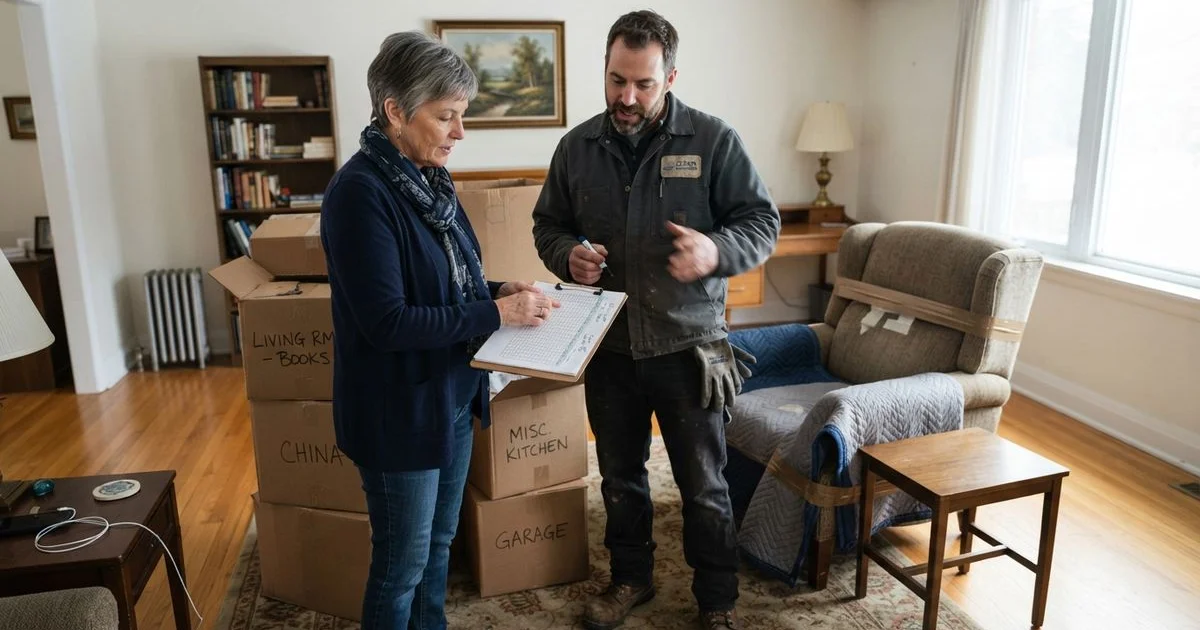
Clearing a property after a death is rarely just a logistics task. It is decisions about what to keep, what to let go of, and how much of it you can face doing yourself while also grieving. This guide focuses on the practical side: what an estate cleanout in Ontario actually involves, and what to have in place before a crew shows up.
Start with what has to be preserved
Before anything is sorted, moved or discarded, set aside anything with legal or financial weight: a will, property deeds, bank and investment records, tax documents, insurance policies and anything related to the estate’s probate process. These should never end up mixed into general belongings a cleanout crew is sorting, so pull them out first, even if that just means one labelled box kept somewhere secure.
If the estate is going through probate, it is worth checking with the executor’s lawyer about any restrictions on disposing of assets before probate is granted. That is a legal question outside the scope of this guide, and a lawyer or estate professional is the right person to confirm it.
Beneficiaries sometimes have questions or concerns about specific items before the estate is finalized, so it can help to give family a reasonable window to flag anything they want considered before major decisions are made. This does not need to hold up the entire process, but a short heads-up can prevent a disagreement from surfacing after items are already gone.
Sorting: the part that actually takes time
Estate cleanouts move at the speed of decisions, not labour. A crew can haul furniture quickly, but deciding what a family member’s belongings mean, and whether they should be kept, donated, sold or discarded, is slower and often the hardest part emotionally. Most providers who specialize in this work are used to going at whatever pace the family needs, sorting alongside you rather than making the calls themselves.
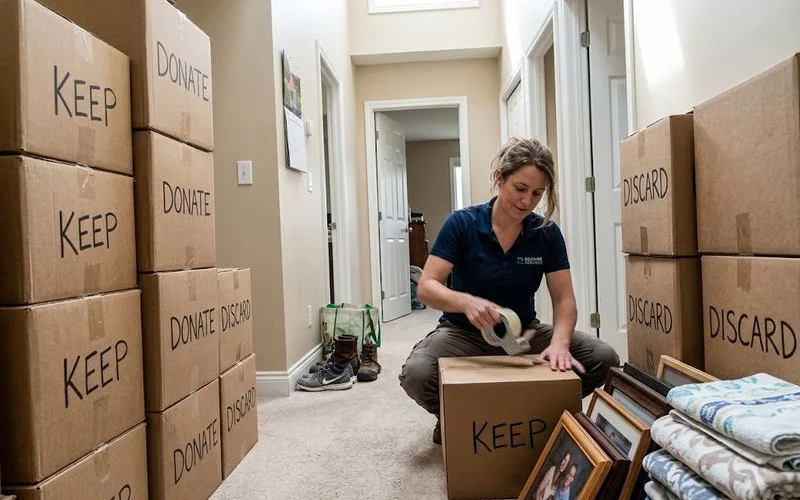
A simple category system helps keep the process moving:
| Category | What goes here |
|---|---|
| Keep | Sentimental items, anything with clear ongoing use |
| Donate | Usable items the family does not want |
| Sell | Furniture, valuables or collectibles worth listing |
| Dispose | Damaged, expired or unusable items |
What to expect from a provider
A provider experienced with estate and senior move-out cleanouts will typically start with a walkthrough to understand scope, ask about anything that needs to be set aside or handled with particular care, and give you a realistic timeline based on property size and how full it is. Good providers will also be comfortable working around a family’s schedule rather than pushing for the fastest possible clear-out, since this kind of job is rarely about speed alone.
Ask how they handle items of uncertain value, things that might be worth something but are not obviously valuable, since a provider with real experience will typically flag these for you rather than guessing on your behalf.
If the property involves significant clutter
Some estates involve a parent or relative who struggled with hoarding, which adds another layer to an already difficult process. If that describes your situation, it can help to read more broadly about what to expect from a hoarding cleanup before you start, since the process and pacing can look different from a standard estate clear-out. Providers who handle both are generally better equipped to scope the job honestly rather than underestimate it. Where the person who lived there was older, hoarding cleanup for seniors in Ontario covers considerations specific to elderly estates, including pacing and the support available to families.
Practical steps before the crew arrives
Walk the property yourself first, even briefly, so you have a rough sense of what is there. Photograph rooms before clearing begins, in case questions come up later about condition or contents. Confirm with the provider what happens to items that are sold on your behalf, and get that arrangement in writing. And if multiple family members share decision-making, agree in advance on who has final say over disputed items, since that disagreement is far more common, and far harder to manage mid-cleanout, than most families expect.
For a look at how estate and cleanout providers in this directory are scored, including how responsiveness and care with belongings factor into ratings, see our methodology.
FAQ
- How long does an estate cleanout usually take?
- A modest home with light to moderate belongings often takes a few days with a small crew, while a large property or one with significant clutter can take a week or more. Property size and volume are the biggest factors.
- Do I need to sort everything before calling a cleanout company?
- No. Most estate cleanout providers can sort alongside you or on your behalf, separating items to keep, donate, sell or discard. It helps to flag anything with sentimental or financial value first.
- What should I do with documents and financial records?
- Set these aside before any cleanout begins. Wills, deeds, bank statements and tax records should be reviewed and secured, not left mixed in with general belongings a crew is clearing.
- Can a cleanout company help if the estate involves hoarding?
- Yes. Providers who handle estate and senior cleanouts are generally used to properties with heavy clutter and can scope the job accordingly, though it may take longer and cost more than a standard estate clear-out.