What deep sanitizing and disinfection actually covers
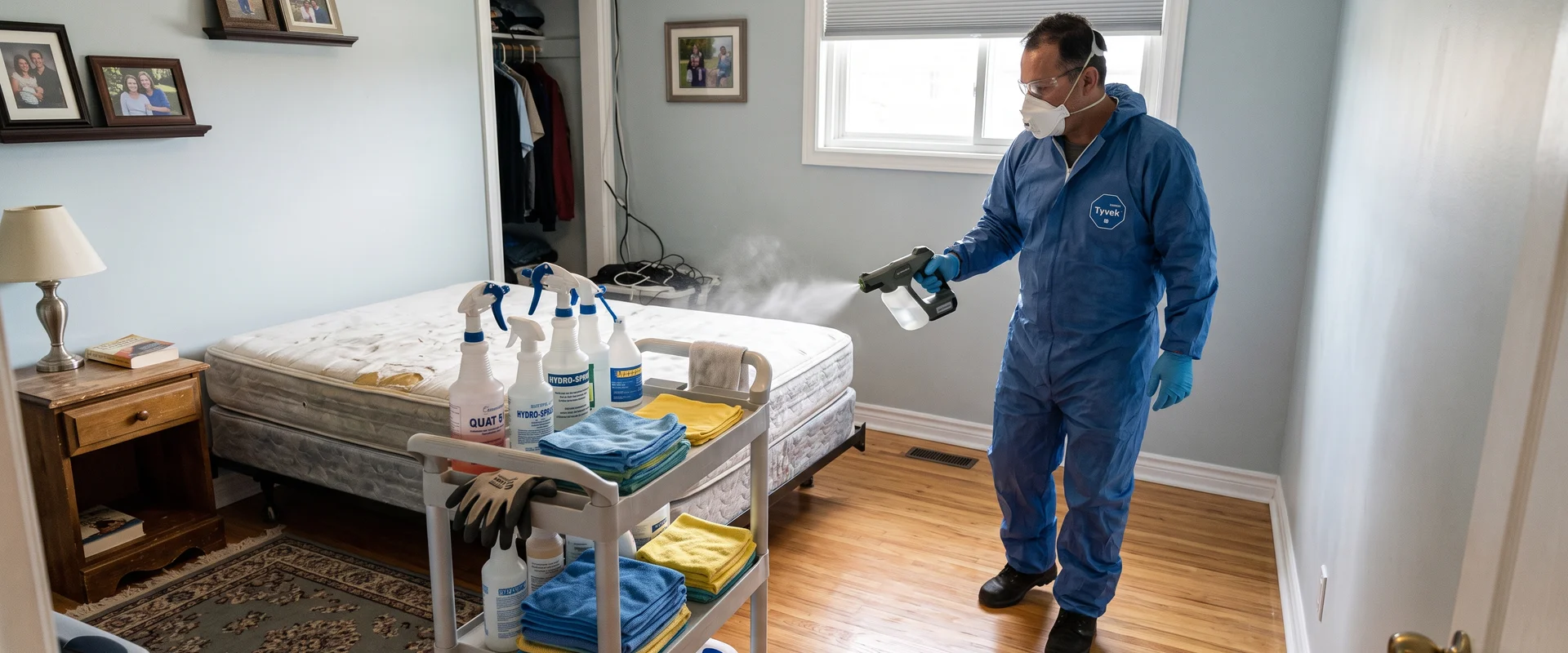
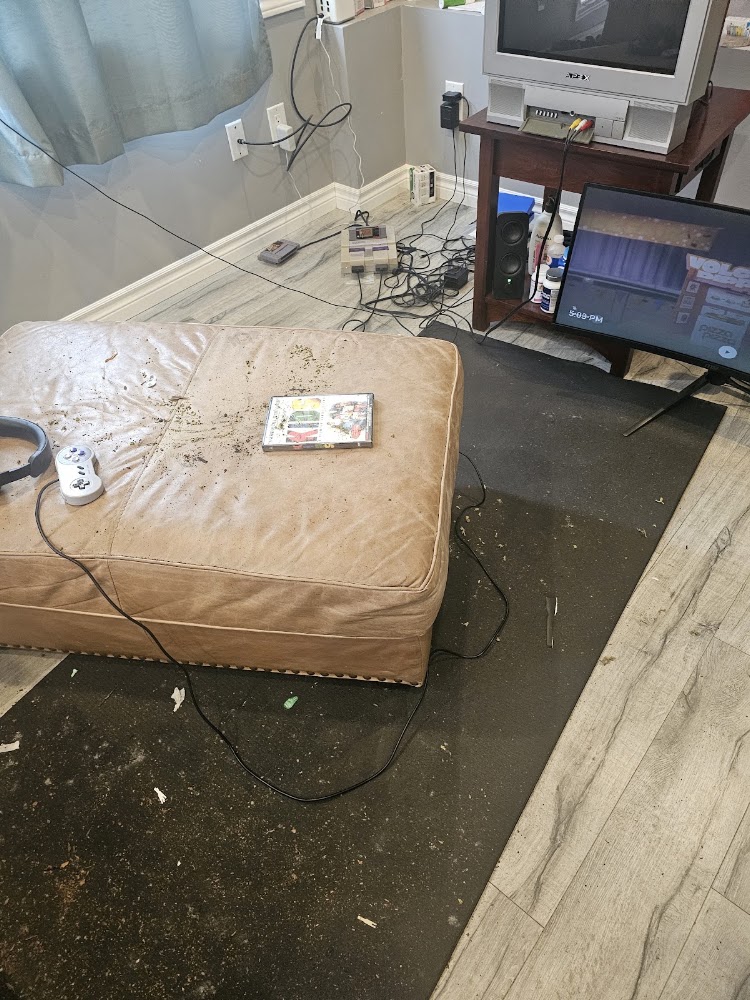
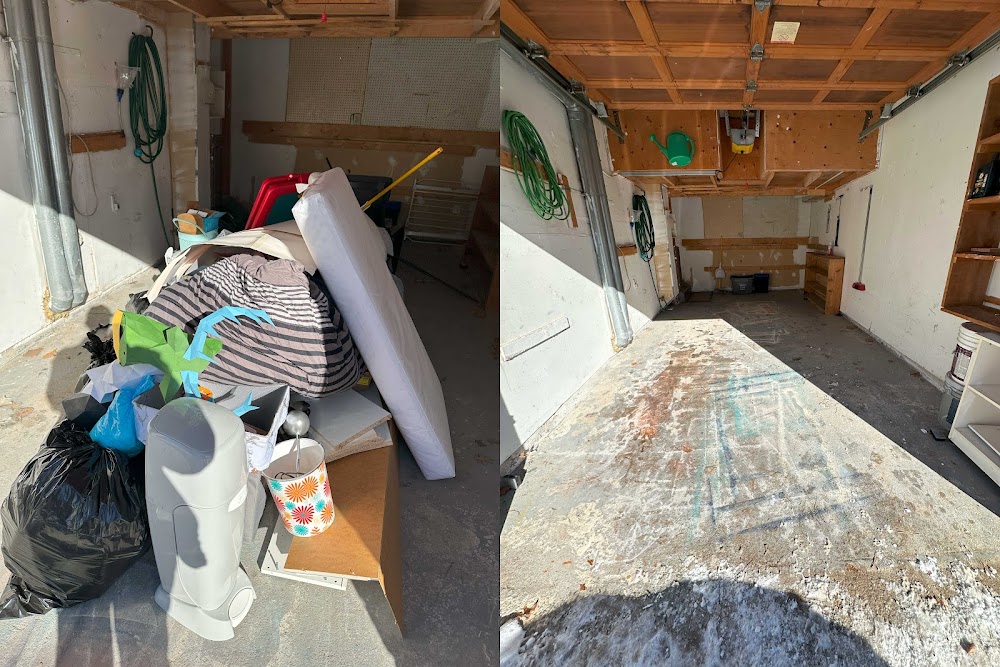
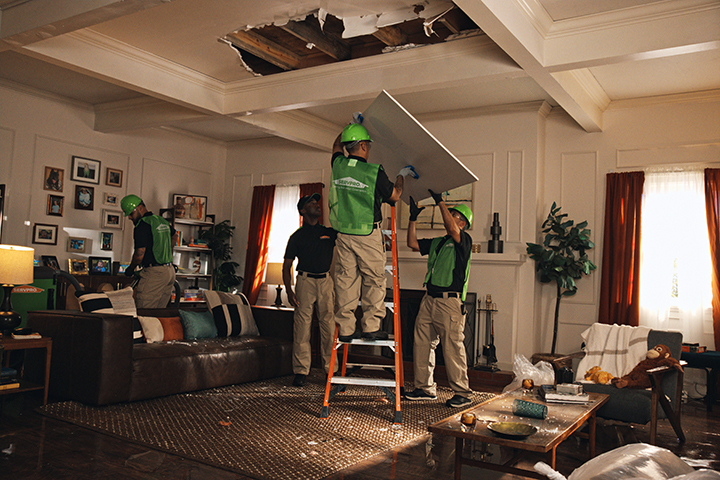
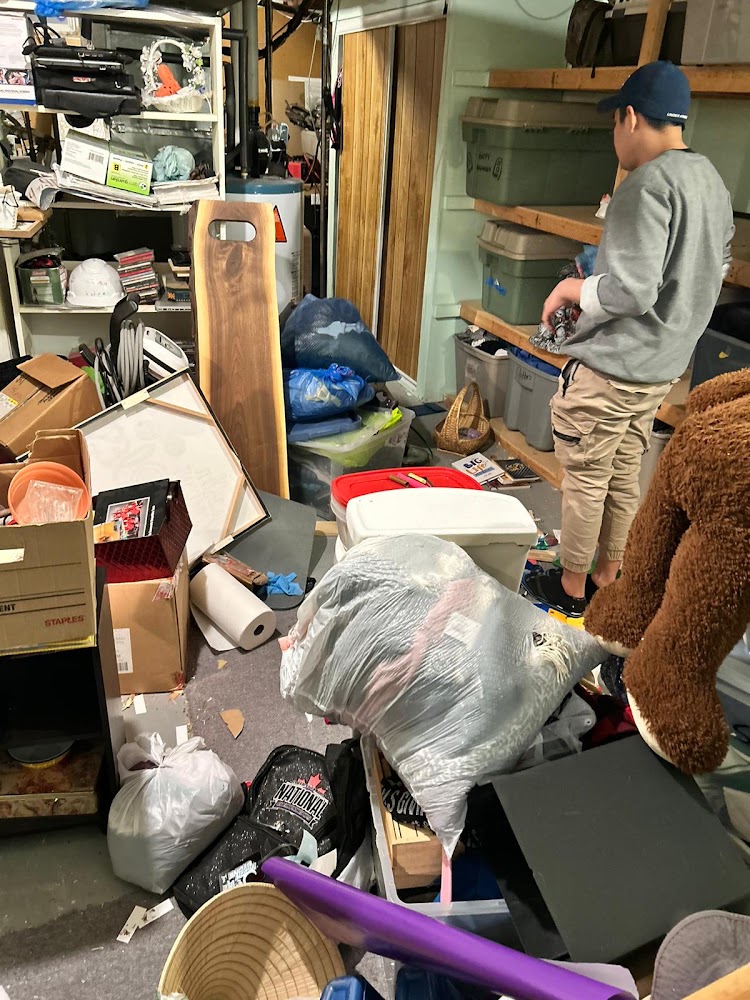
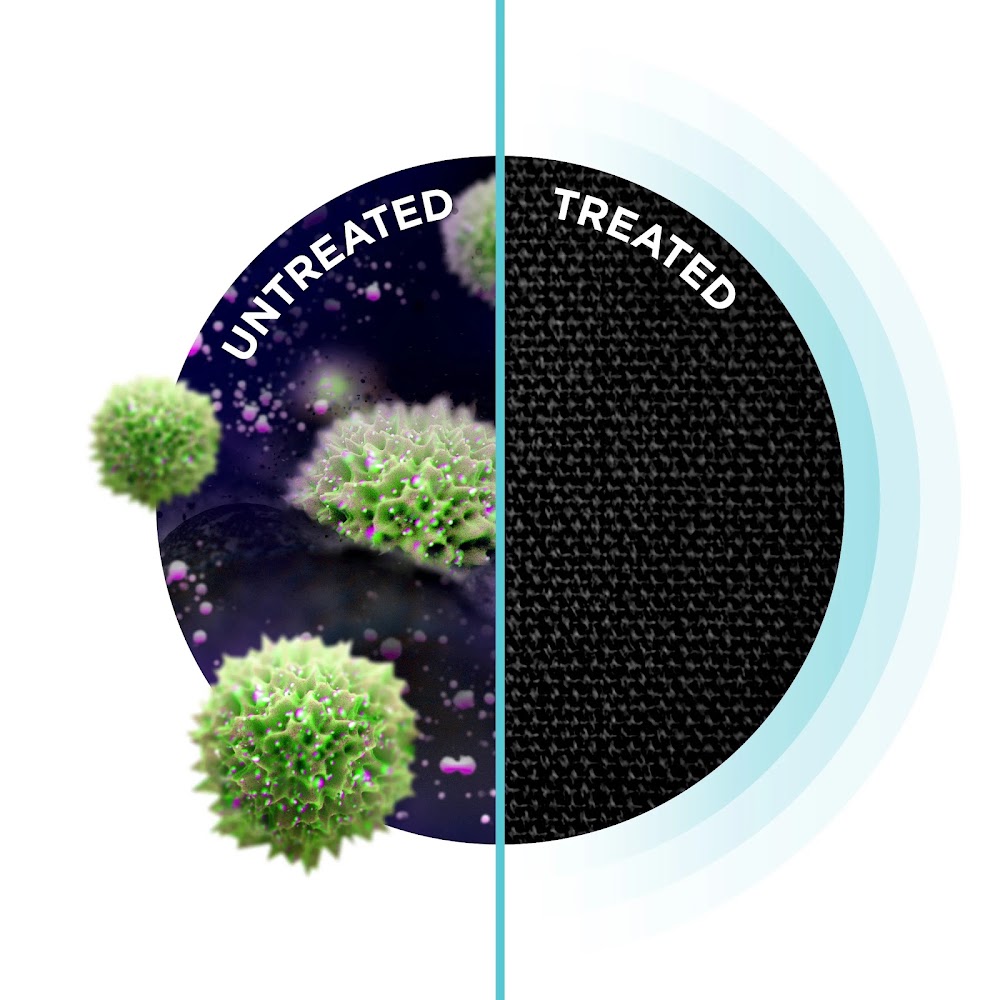
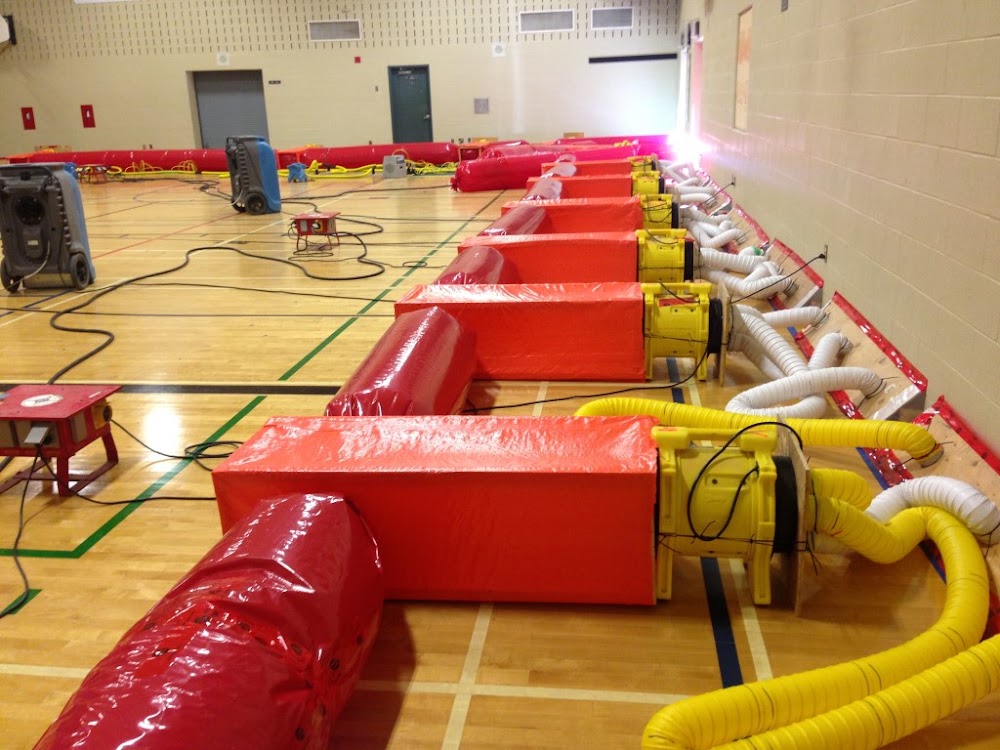
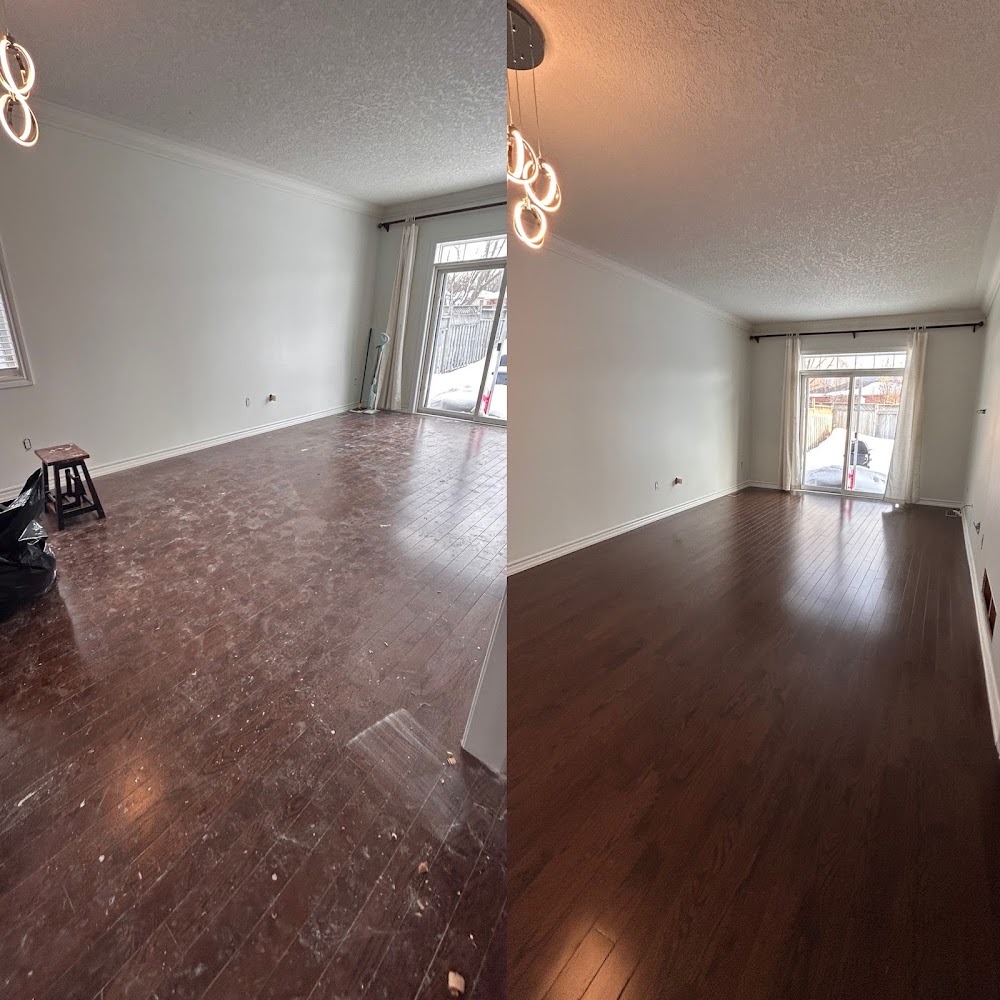
After a hoarding cleanup clears out the physical volume of items, the space underneath is usually still contaminated. Deep sanitizing and disinfection is the step that addresses what's left behind: mold from trapped moisture, pest droppings and nesting material, bodily fluids or blood in cases involving decomposition, cat or dog urine soaked into subfloors, and general biohazard buildup from years of restricted airflow and moisture. In Barrie, this work is often bundled with hoarding cleanup but it's a distinct skill set, requiring hospital-grade disinfectants, HEPA-filtered air scrubbers, and sometimes structural work like removing and replacing drywall or subflooring that's absorbed contamination too deep to treat.
What to look for in a provider
Ask whether the crew uses EPA-registered or Health Canada-approved disinfectants, whether they test air quality or surfaces after treatment (not just before), and whether they carry biohazard handling certification if the job involves bodily fluids or animal waste. Get a written scope of work that separates cleaning from disinfection from any needed repairs, since these are priced and performed differently. A company that only "wipes down and sprays" without addressing the source of contamination (a leaking pipe, a dead rodent in a wall cavity) is doing cosmetic work, not remediation.
How we score the 15 companies here
Our rankings weigh documented certifications, equipment used, response time for urgent or biohazard cases, and how clearly companies communicate scope and pricing before starting work. See the full breakdown and scoring criteria on our methodology page, or jump straight to the ranked guide to Barrie's best hoarding cleanup companies to compare providers side by side.